Skip to contents

Company DeckVer. 2026

Materials discovery,
redesigned at the nanoscale.

3DC, the world’s first producer of nano-architected carbon at industrial scale.

Our flag

The world’s first nano-architected
material was born in a small lab
in Tohoku — and left behind.

In 2014, Professor Hirotomo Nishihara of Tohoku University invented Graphene MesoSponge® (GMS), the world’s first carbon material with a designable nanostructure.

Academia and industry alike rated it highly. Yet as Japan’s materials industry cut back on R&D and capital investment, GMS sat dormant as a seed technology for eight years.

3DC was founded in 2022 by Nishihara, the inventor, and Kuroda — who brought experience from a major materials manufacturer and venture capital — to take on the challenge no one else would.

02

Who we are

Mission, vision and the people behind 3DC

  • MVV
  • Company profile
  • Traction
  • Origin
  • Leadership

04

Our mission

Creating a better world
through the synergy of
chemistry and physics.

05

Our vision

Making batteries part of the
energy infrastructure, through materials
and electrode-manufacturing innovation.

= Batteries as a shared asset for people and the planet

Design

Design the optimal structure from the nanoscale up, to meet the requirements of the world’s leading battery manufacturers

Deliver

Produce every commercialized design at industrial scale, through a single proprietary process

Change

Push the performance limits of batteries on both fronts — materials and manufacturing

06

Company profile

3DC at a glance

Company name
3DC Inc.
— from “three-dimensional carbon materials”
Founded
February 2022
Representative Directors
Takuma Kuroda, Representative Director and CEO
Hirotomo Nishihara, Representative Director and CSO
Locations
Head office: Aoba-ku, Sendai, Miyagi
Kawasaki office: Saiwai-ku, Kawasaki, Kanagawa
Gifu plant: Dachi-cho, Toki, Gifu
Employees
45 (as of August 2026)
Business
Development, manufacture and sale of Graphene MesoSponge® (GMS)
Development of an AI platform for battery and materials R&D

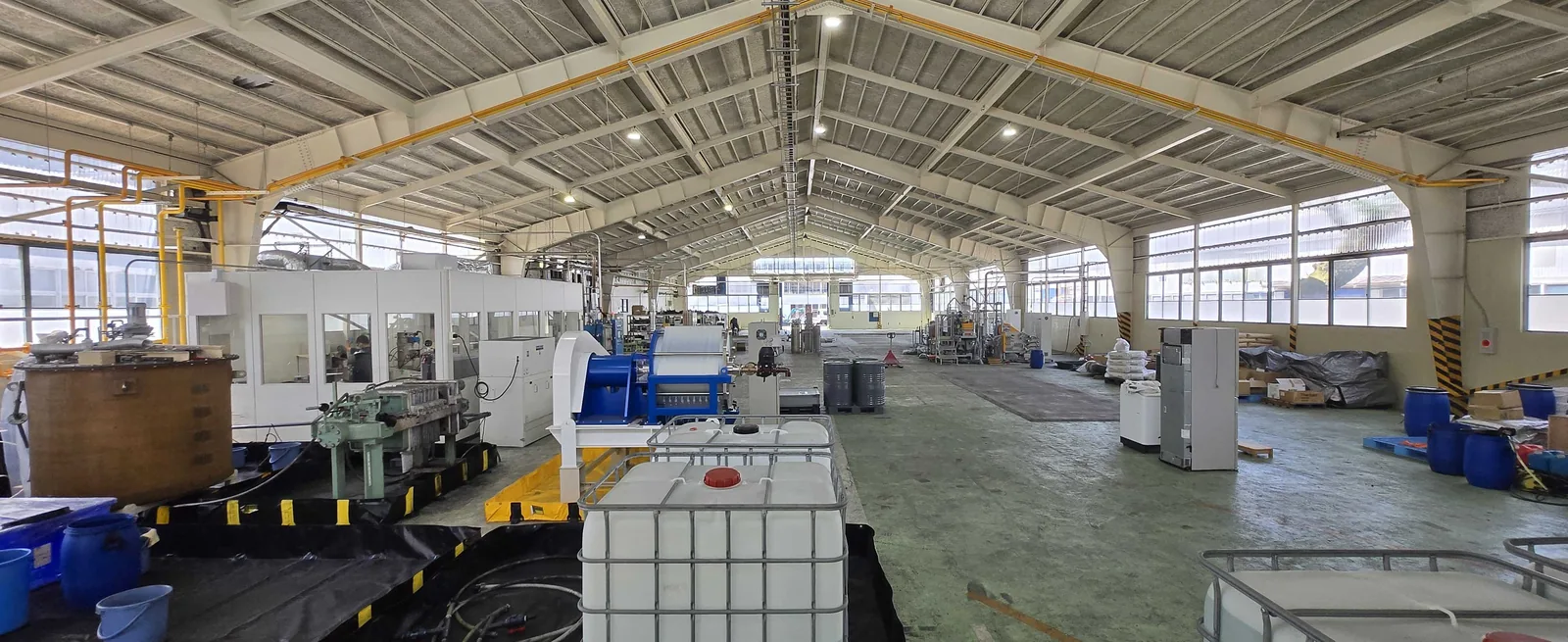
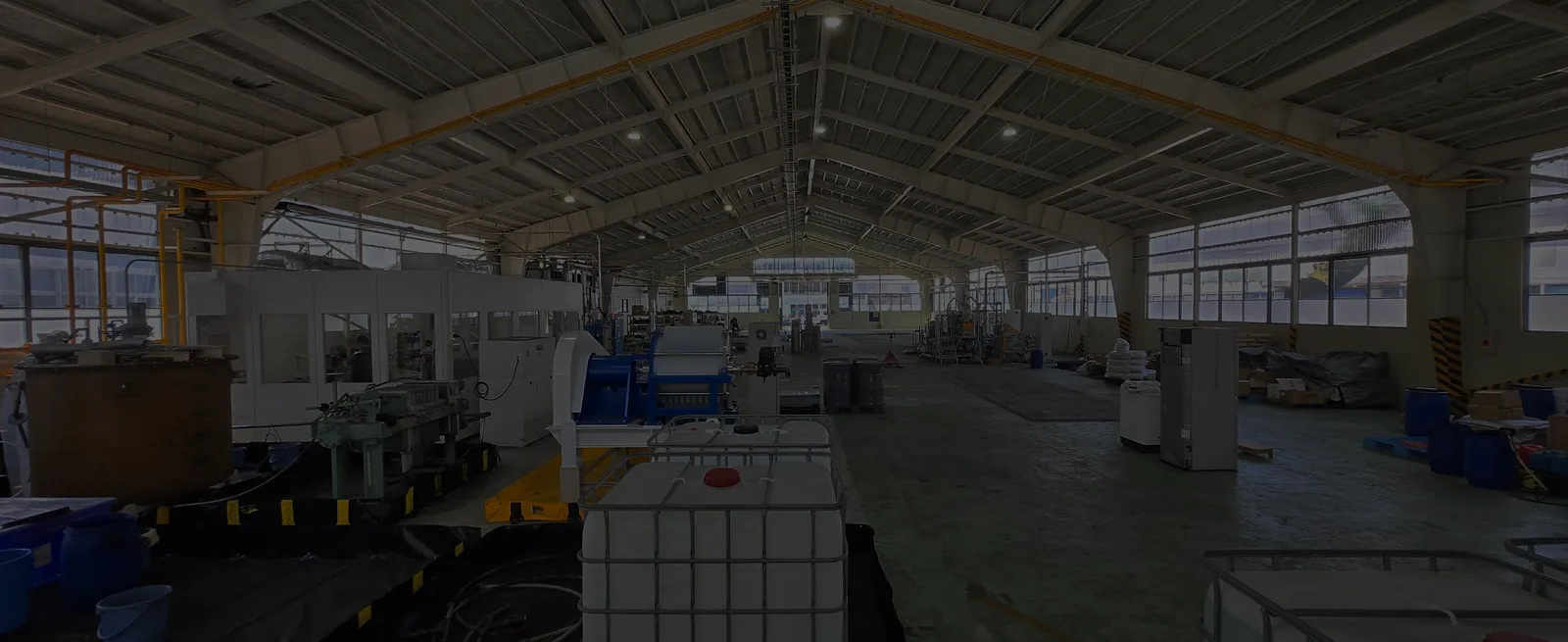
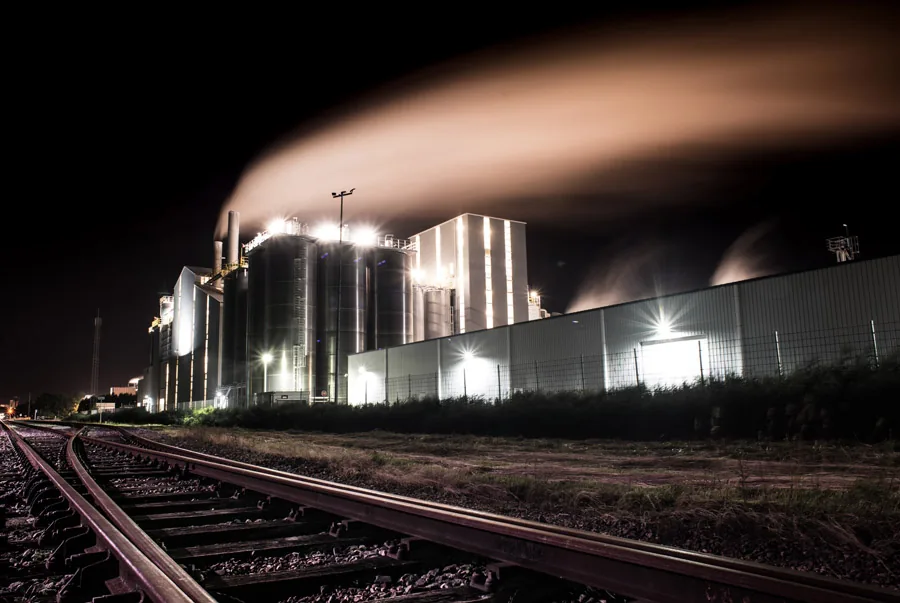
The GMS mass-production plant under construction (Gifu Plant)

07

Traction

Four years from founding. A lab invention, in mass production.

6.0B JPY

Total capital raised

Equity 2.89B / grants 3.11B

45

Employees

As of August 2026

120

Companies supplied with GMS

Since the Gifu plant started up in February 2024

100kg/yr

Current production capacity

An unusual scale for an advanced nanomaterial

2022–23

  • Founded in February 2022
  • Opened the head office and R&D site in Sendai
  • Selected for J-Startup Tohoku

2024

  • Started up the Gifu plant in February
  • Began sampling the conductive additive series for lithium-ion batteries
  • Closed a pre-Series A round
  • Selected for the Deep Tech Startup GX program and the SIP program

2025

  • Raised about 3B JPY in Series A including grants, and began building the world’s first GMS production plant
  • Expanded the line-up to six grades and accelerated sampling

2026

  • Exhibited at CES 2026, the world’s largest tech event
  • Received Hyundai Motor Group’s first CVC investment in a Japanese startup
  • Selected as a World Economic Forum Technology Pioneer 2026

08

Origin

Where we started

2014

The invention

Professor Nishihara of Tohoku University invented Graphene MesoSponge® (GMS) through joint research with a major Japanese OEM. Academia and industry alike recognized its distinctive performance and tunability.

2014–2022

Eight dormant years

No company committed to the required capital investment or process-development work, because of the risk of scaling up. An excellent invention stayed inside the laboratory.

2022

Founding

Kuroda, then at an independent VC, met Professor Nishihara. They agreed on one thing — that a new material developed in Japan should be the first in the world brought to mass production by a Japanese company — and founded 3DC.

Taking on the risk no one else would is itself the barrier to entry.

09

Leadership

The inventor, and leaders with experience scaling development, manufacturing and sales.

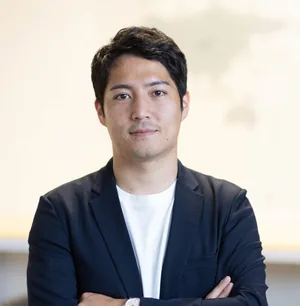
Takuma Kuroda

Takuma Kuroda

Representative Director, CEO

Nitto Denko
Samurai Incubate
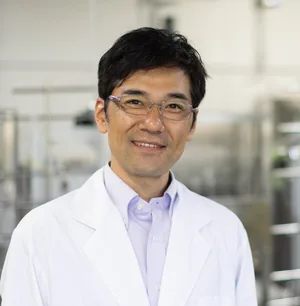
Hirotomo Nishihara

Hirotomo Nishihara

Representative Director, CSO

Professor, Tohoku University
Inventor of GMS
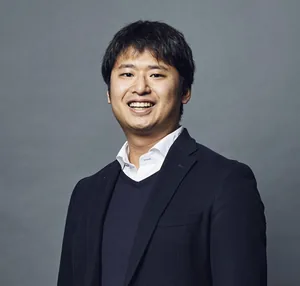
Kei Mizutani

Kei Mizutani

CRO / Revenue

Nitto Denko
Head of startup business
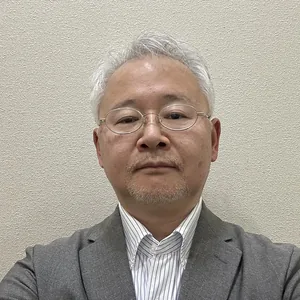
Tokio Kuwata

Tokio Kuwata

CTO / Technology

Sony Energy Devices
Samsung SDI
Panasonic Energy
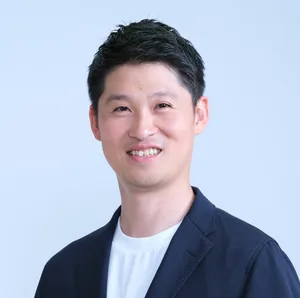
Satoshi Washio

Satoshi Washio

CMO / Manufacturing

Toyo Ink (now artience)
Former overseas plant manager
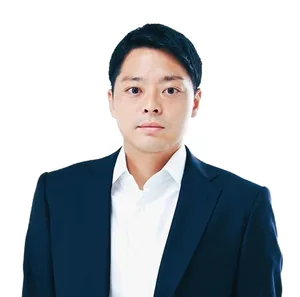
Ryoichi Moriya

Ryoichi Moriya

CFO / Finance

SMBC Nikko Securities
McKinsey & Company

10

Why carbon, why now

Where batteries hit their limit

  • The bottleneck
  • Conductive additives
  • The limit of existing materials
  • Addressable market

11

Materials set
the limits of a battery.

Energy density and cycle life are subject to a trade-off, and cell design alone cannot improve both at the same time.

The history of battery development is a succession of innovations in electrode materials, in order to lift both at once.

12

The bottleneck

The trade-off in battery performance

Energy density

Energy density

Raising the active material content or the coating weight makes it harder for electrons and ions to move.

Rate

Rate capability

Faster charging and discharging require more electron- and ion-conduction pathways — but adding conductive additive reduces the fraction of active material.

Cycle life

Life and safety

Expansion and contraction during cycling breaks down the electrode. With silicon anodes the expansion is an order of magnitude larger.

13

Primer

What a conductive additive is

An electrode consists of active material, binder and conductive additive. The additive links the active particles and forms electron-conduction pathways — a small amount of carbon.
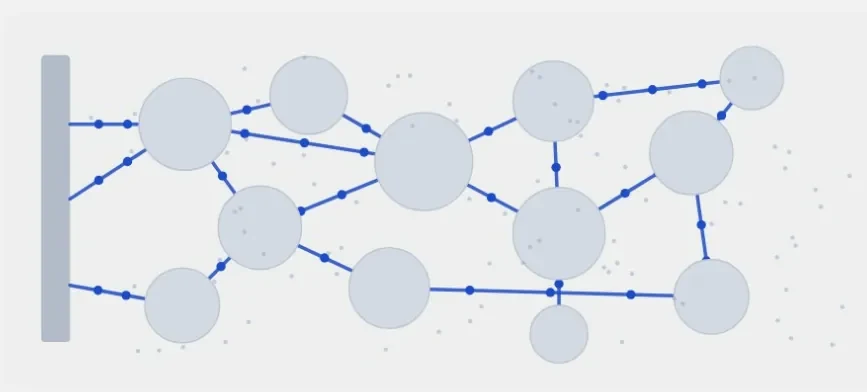
Diagram of the conductive network reaching out from the current collector. Conductive additive links the active material particles, and electrolyte fills the space between them.

Current collector

  • Active material
  • Conductive additive
  • Electrolyte

SO WHAT

It is only a few percent of the electrode.
But if it becomes the bottleneck,
no active material, however good, will perform.

  • Electron pathways: the more particles touch across surfaces and connect over distance, the lower the resistance
  • Ion-transport pathways: the more interconnected the pores, the deeper the electrolyte reaches
  • Durability: the fewer the functional groups and the more stable the surface, the slower the degradation

14

The limit

With existing additives, you cannot choose the structure

Commodity, low cost

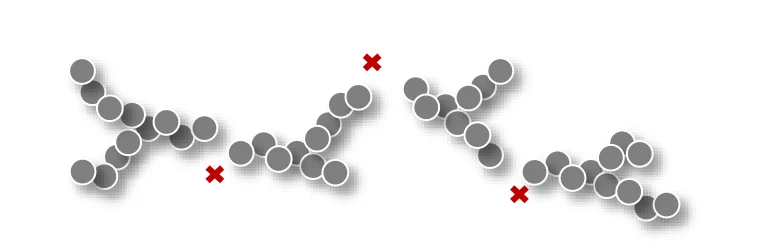
Carbon black

Schematic of carbon black. Small particles touch at points and the chain breaks part-way.

Point contacts break the conductive path

  • Particles are small and touch at points, so conductive paths break easily
  • Many surface functional groups react with the electrolyte and accelerate degradation
  • Structure is fixed by production conditions and cannot be changed

Highly conductive, high cost

Carbon nanotubes

Schematic of carbon nanotubes. Long fibres bundle together and tangle.

They bundle easily and are hard to disperse

  • Conductivity is high because they connect as lines, but they bundle and are hard to disperse
  • The range over which diameter and length can be controlled is limited
  • Metal catalysts used in synthesis leave contaminants that compromise battery safety

Structure by design

Graphene MesoSponge®

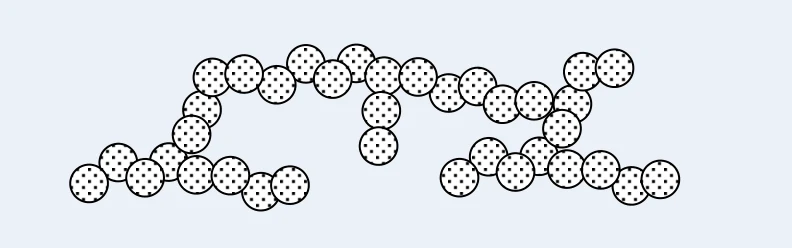
Schematic of GMS. Hollow porous particles chain together into a network.

Structure carries electrons, pores carry ions

  • A deliberately created network forms the conductive path
  • Template-derived hollow mesopores retain electrolyte and form ion-transport pathways
  • Functional groups are remarkably few, so it is chemically stable and side reactions barely occur

15

Market shift

The market is changing what it asks of materials

LFP, dry electrodes, silicon anodes. The three currents moving the market today all hinge on the conductive additive.

Growth of LFP

Share expanding, led by Chinese and Korean makers.


What it demands

The cathode itself conducts poorly, so both electronic and ionic conduction are required.

Dry electrode process

Solvent-free processes improve productivity.


What it demands

A structure that conducts as a dry powder, and the durability to withstand pressure.

Silicon anodes

Higher capacity to support on-device AI features.


What it demands

A flexible scaffold that absorbs expansion without breaking.

What is needed is a carbon material whose structure can be designed.

16

Addressable market

Beyond batteries, across industries

Changing the scale at which structure is controlled opens up domains with different unit prices and different market sizes.

Price (JPY/kg)

High

Middle

Low

Semiconductors

TAM ~100T JPY

LiB, premium

TAM ~5T JPY

LiB, commodity

TAM ~15T JPY

Aerospace structures

TAM ~2T JPY

Fillers

TAM ~1T JPY

nm

μm

10-100μm

mm

Scale of structural control

※ TAM figures indicate relative scale rather than exact values, based on the market size of the target industry in each domain. 3DC estimates.

17

Graphene MesoSponge®

A carbon you can design

  • Structure
  • Tunability
  • Effect on batteries
  • Manufacturability

18

The material

A hollow, porous structure built from walls one graphene layer thick

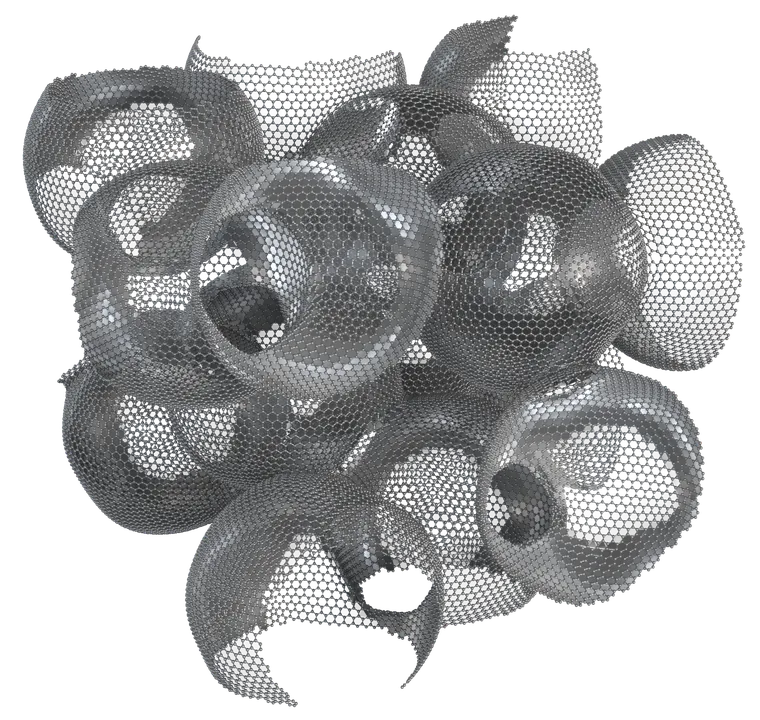
Structural model of Graphene MesoSponge®. Hollow particles made of walls one graphene sheet thick chain together.
Graphene MesoSponge®
Extremely low functional group content
The basal plane is exceptionally large and edge functional groups remarkably few → chemical durability
Hollow three-dimensional graphene walls
A zipping reaction forms graphene into a hollow structure → physical durability (reversible elasticity)
Distinctive interconnected pores
Primary particles form an interconnected porous network → good catalyst dispersion and ion transport
Rare structural tunability
Choosing the template lets us design pore size, shape and network → control over the nanostructure

19

Tunability

Pores and networks are designed, not inherited

By selecting the template, we can tune particle size, surface area and structure to suit the purpose. The world’s first carbon material whose nanostructure can be controlled at industrial scale.

Primary particle size

5-120nm

Designable across a range of more than 20×

Specific surface area

500-2,000m2/g

Balances surface area and bulk density

Structure (oil absorption)

500-3,000ml/100g

Governs dispersibility and electrode density

20

Case study

Battery performance improvements with GMS

Electrolyte retention

Ultra-high-rate charging and discharging

The interconnected pores of GMS hold electrolyte and supply ions at high speed.

200C+

Performance demonstrated at rates above 200C

Intended applications: eVTOL, drones and backup power for data centers — applications that move large currents in and out over short periods

Mechanical flexibility

Containing silicon anode expansion

GMS acts as a buffer that absorbs the expansion of a silicon anode.

50%+

Gains demonstrated in systems containing over 50% silicon

Intended applications: AI-capable high-end smartphones and very long-range electric vehicles — applications demanding still higher capacity

21

The hardest barrier
was not performance.
It was mass production.

As early as 2014, the performance of GMS was already highly regarded, in industry as well as academia.

Even so, for eight years no company committed to the capital investment and process development, because the risk of scaling up was so large.

22

The moat

Why no one could reach mass production

Background

  • With production moving offshore and Chinese and Korean makers expanding state-backed capacity and competing on price, Japanese manufacturers had lost the appetite to invest in new materials
  • GMS is made by a template method: theoretical yield is low and the process is long and complex, making laboratory reproducibility difficult to maintain at industrial scale
  • Markets that would bear the price of an advanced material — lithium-ion batteries, semiconductors — had not yet emerged, so there was no visible return and no room for upfront investment
  • For established chemical and materials companies the seed and the market were too small; for a startup the investment was too heavy to finance

The world’s first,
made by us.


Concentrate resources on proving production, not on proving performance.
3DC was founded on that single bet.
Taking on the risk no one had taken for eight years since the invention.
That challenge is itself our barrier to entry.

23

The moat - Manufacturing track record

3DC is making GMS

100kg/yr

Current production scale

Running 24 hours a day since early 2026

120

Companies supplied with GMS

Battery and materials makers and research institutes, in Japan and abroad

15t/yr

Plant capacity (under construction)

Equivalent to 3GWh of batteries. Start-up planned for end of 2026

The GMS mass-production plant under construction (Gifu Plant)

24

3DC’s business

Materials, and the platform around them

  • Two businesses
  • Materials (roadmap, customers, momentum)
  • Solutions

25

Our business

Two businesses

Materials

Bringing GMS to energy
and storage applications.

The first application is a conductive additive for lithium-ion batteries. Joint development with battery manufacturers has confirmed substantial performance gains.

Focus areas

  • Conductive additives (lithium-ion, all-solid-state and others)
  • Scaffold material for silicon-based anodes (Si/C)
  • Precious metal catalyst supports (fuel cells, PEM electrolysers)

Solutions

Turning tacit knowledge
into organizational knowledge.

A platform combining a data foundation that embeds domain knowledge with AI features, turning know-how that tends to live in individuals into an asset of the organization.

Offerings

  • An AI platform for battery and materials R&D (launch planned for 2027)
  • Manufacturing consulting by battery process engineers

26

Material business

From proving performance in high-end domains, to expanding the market

  1. Premium LiB

    Design-in secured

  2. High-end LiB

    eVTOL, drones, DC

  3. Commodity

    Automotive, ESS

  4. Semiconductors

    Heat and RF absorption

Now

Design-in secured in premium lithium-ion applications.

The premium segment is receptive to high-value component technologies, letting us establish GMS production technology and profitability at the same time.

Next

Moving into high-end applications where rate and capacity translate directly into value.

The electrolyte retention and reversible elasticity proven in premium applications become the differentiator.

Then

Expanding into commodity batteries for vehicles and energy storage.

The stage at which production scale supports full recovery of fixed costs — and we become a market leader in a still-growing market.

Beyond

Applying the experience of delivering value through structural control to new growth markets such as semiconductors.

Entering larger, higher-value markets and growing the company further.

27

Material business - Customers

Since the Gifu plant started up, we have supplied GMS to 120 companies

Adoption is under review at leading manufacturers in Japan, Korea, China, Europe and North America.

Total

120

companies

Since the Gifu plant started up in February 2024

Applications

LiB conductive additiveBoth cathode and anode
LiB Si/C anode scaffoldScaffold for silicon anode active material
Advanced battery additivesFuel cells, all-solid-state, sodium-ion
Other applicationsSemiconductor RF absorbers, oils and greases

Customers

JapanAutomotive OEMs, battery makers, semiconductor makers, research institutes
KoreaAutomotive OEMs, battery makers, chemical companies, research institutes
ChinaAutomotive OEMs, battery makers
Europe & North AmericaAutomotive OEMs, battery makers (including startups), research institutes

28

Material business - Momentum

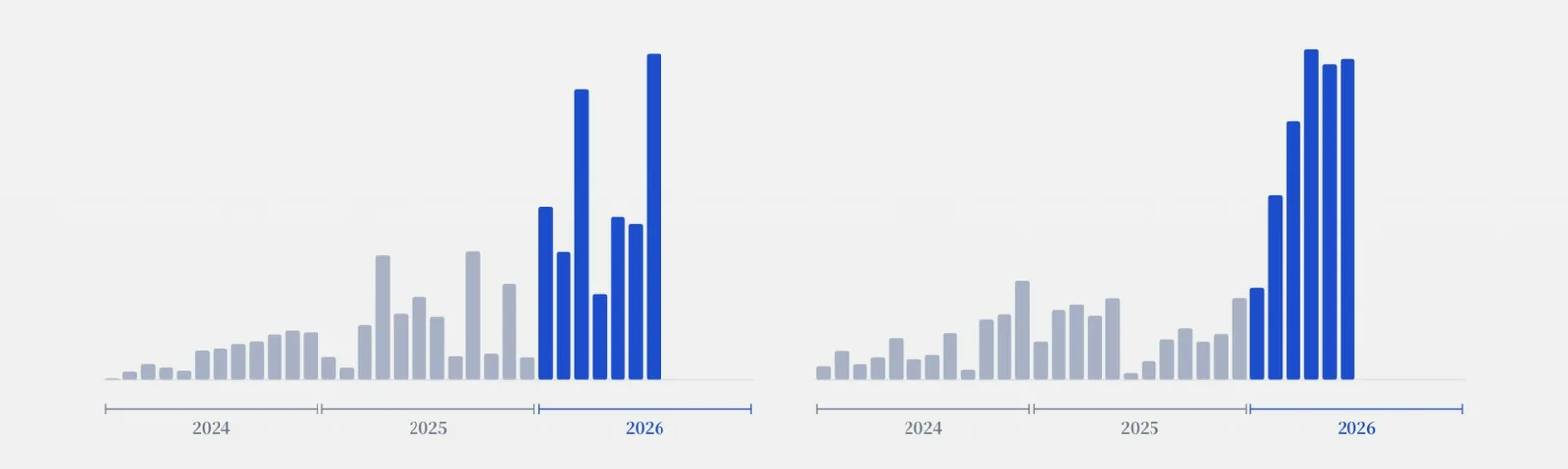
Sample volume and output are both accelerating

Monthly sample volume supplied

Monthly production volume

Monthly trend of sample volume supplied and production volume. Both rise steeply from 2024 through 2026.

※ Absolute values on the vertical axis are withheld for business reasons. Bar heights show month-on-month relative comparison.

29

Solution business - Problem

Materials development still depends on individual experience

3DC addresses the four walls that stand in the way of digital transformation in R&D.

Capture

Nothing is recorded digitally

Documents, instrument logs and floor notes never end up in a form anyone can use later

In practice

Today’s task

> A long-term single source of truth

Fragmentation

Data never joins up

Records are fragmented across files, samples and departments; tracing one experiment means a long search

In practice

Convenient for me

> Usable by everyone

Succession

Know-how lives in people’s heads

Judgment and technique that never reach a written procedure leave with the person who held them

In practice

Ask that person

> Organize and document

Use

The value never comes out

Tools get introduced, but few can use them, the answers are not trusted, and they are abandoned

In practice

Local optimum per person

> Organizational optimum

These four walls are ones 3DC itself ran into as a materials manufacturer, and defined for itself.

Being built by people who know the domain from the inside is itself the strength.

30

Solution business - Product

Tacit knowledge from the bench, into an asset the organization can use

An all-in-one AI platform built around how experiments actually run in battery and chemical development — from the bench through scale-up. Planned for launch in February 2027.
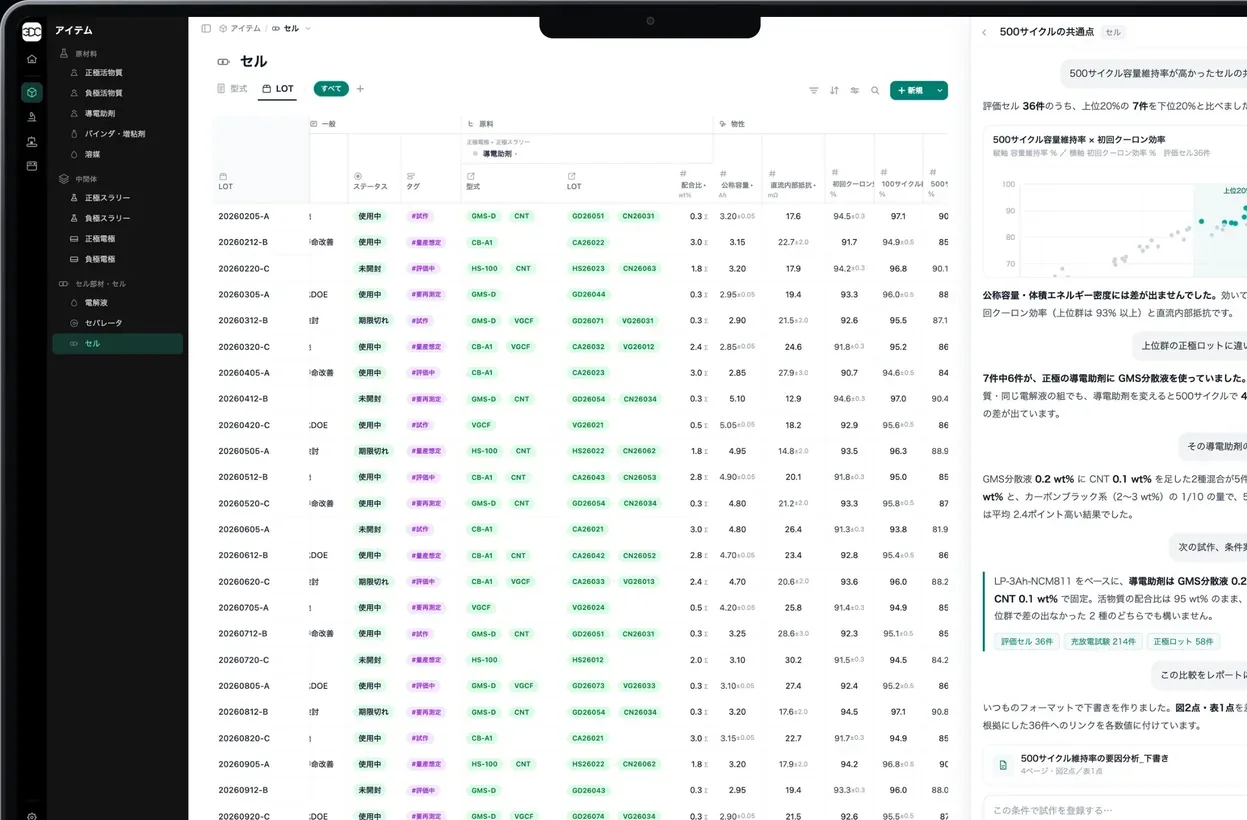
Screen of the AI platform for development teams. A list of experiment lots alongside an AI agent conversation showing analysis results.
For engineers
No transcription, no manual entryHand over the file you already have and it becomes the record
For managers
No going around asking your teamRecords connect across functions and phases, and can be traced on the spot
For executives
No losing expertise when veterans retireData and floor know-how stay linked, and AI can draw on them

AI-Ready
data foundation
× Experiment-first
AI agents

31

Solution business - Why now

Leading-edge research, with leading-edge ways of working


Work shifts from
people to AI.

Software was built on the premise that people organize and analyze data. That premise is changing. Human value moves from speed of execution to how well you direct AI. Every employee becomes a manager of AI.


Advantage shifts from
raw ability to domain depth.

General reasoning — a general-purpose LLM — is replaceable. What differentiates is your own data and know-how. Trial, error and judgement are the most valuable information there is, and they are buried on the development floor.

32

Culture & workplace

How we work

  • Code of conduct
  • Where we work
  • How the team is built

33

Code of conduct

Four principles we hold to

The four principles we keep to in order to realize our mission and vision.

01.

Bring diverse knowledge together, and solve the questions worth solving.

Our core competence lies in materials chemistry and electrode manufacturing. Building on that strength, it is essential to solve meaningful problems for the market and our customers. We read the problems of the market and our customers against our own strengths, and judge which questions 3DC should and should not take on.

02.

Leave an impact globally, not only in Japan.

The energy transition and the battery industry are global issues and global industries. Benchmarking our speed and our organizational capability against the world’s leading companies, and thinking about where battery innovation can leave a mark beyond Japan and Asia, is essential to a real energy transition.

03.

Grow as individuals, and deliver overwhelming business growth.

Only 25 years remain until the 2050 net zero target. The pace of business and technology development in the Chinese and Korean battery industries is remarkable, and to compete with them we must grow at the fastest possible pace.

04.

Respect diversity, and debate regardless of position.

Transforming the battery industry requires bringing together many kinds of knowledge and testing ideas and hypotheses from many angles. That is only possible if we debate internally without regard to rank.

34

Workplace

Our three locations

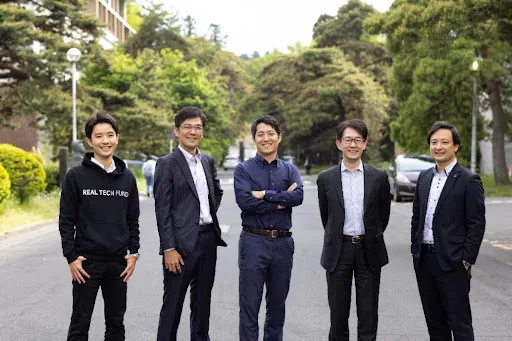
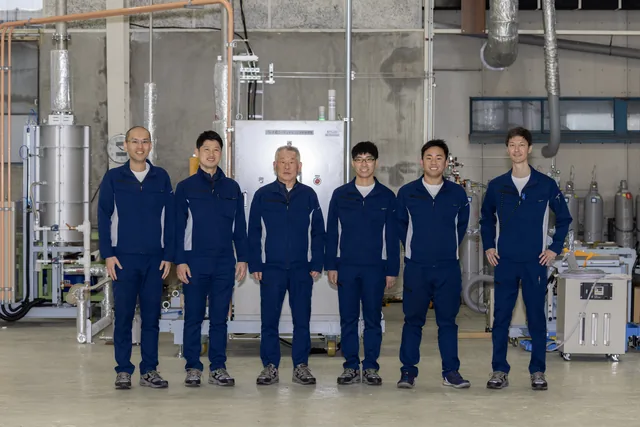
Members at the Sendai head office. Five people standing on a road on the Tohoku University campus.

Sendai, Miyagi

Sendai head office

On the Tohoku University campus. The center of our foundational carbon-material R&D.
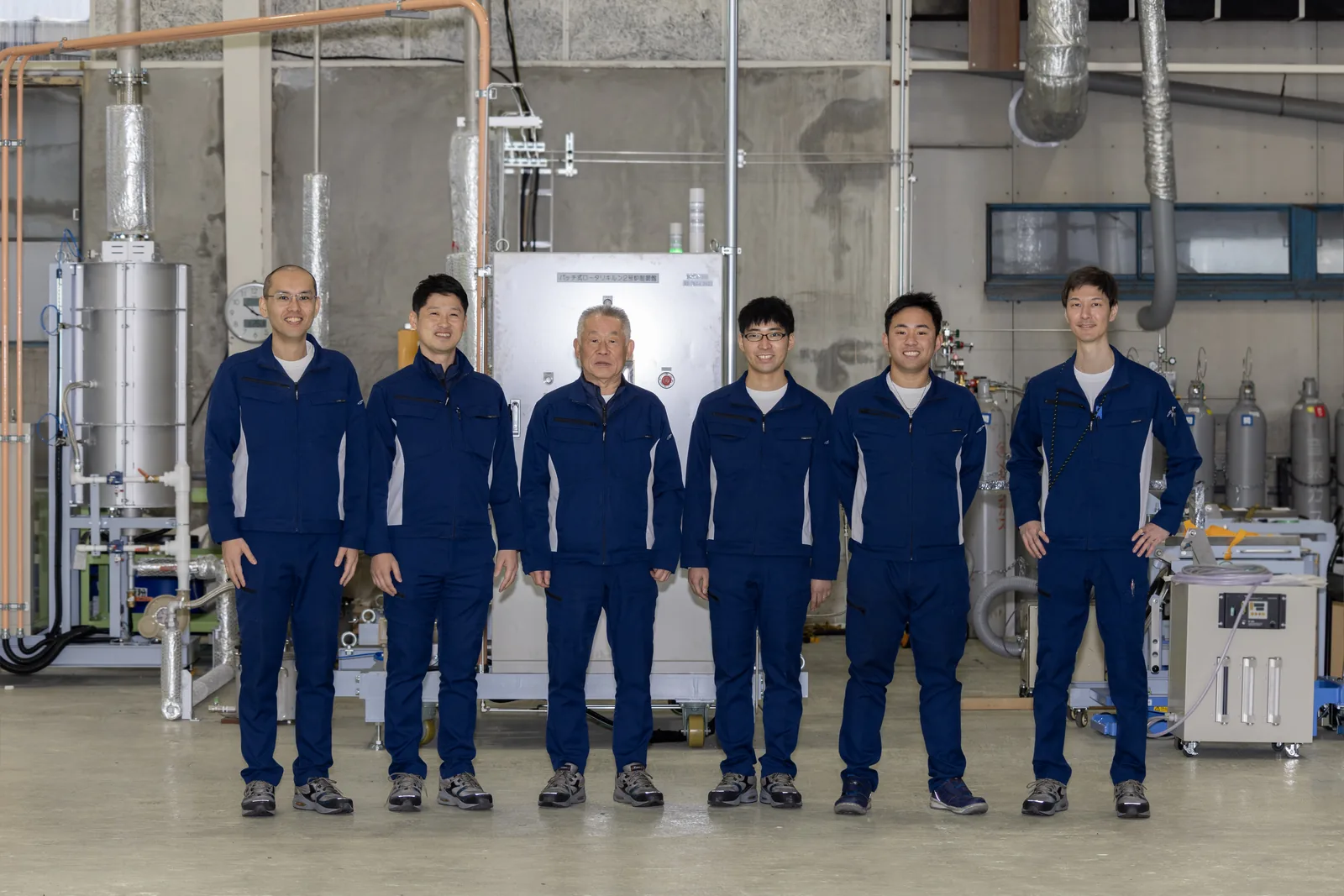
Members at the Gifu plant. Eight people in work clothes standing in front of the production line.

Toki, Gifu

Gifu plant

Where the GMS production line runs — the heart of the business.
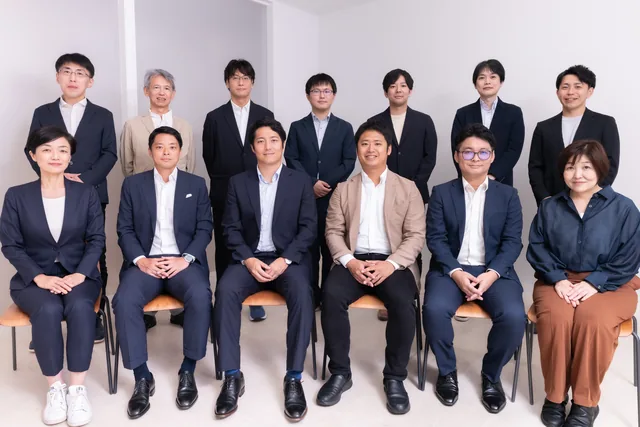
Group photo of the members at the Kawasaki office.

Kawasaki, Kanagawa

Kawasaki office

The base for management, sales and corporate functions.
35

Organization

Committed to R&D and production

32 of our 45 people work in R&D and manufacturing. We are built to do what a materials manufacturer is supposed to do, and do it properly.

Product dev. & battery R&D
10
Manufacturing, PE & QA
23
Sales
4
Solutions
3
Corporate
5

36

Our edge

Research and manufacturing,
inside one company.

Most materials startups keep research in house and outsource manufacturing. Because 3DC owns its plant, results from the lab can move directly into production conditions for validation.

And a problem that appears in production goes straight back to research. The speed of that round trip is why a material that stood still for eight years reached mass production in four.

37

Life at 3DC

The same energy, on and off the clock

From the east of Japan to the west, offsites and gatherings across our sites build relationships where people speak openly as equals, regardless of position or tenure.
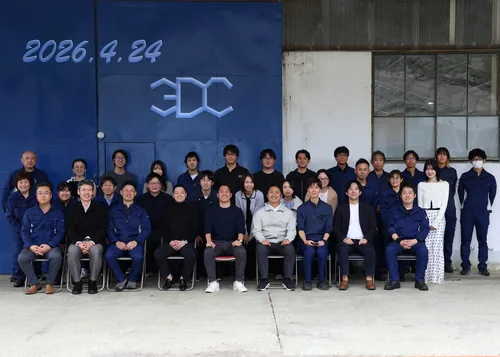
Group photo from the company offsite. Members from every site lined up in front of the 3DC logo.

Annual / rotating between sites

Company offsite

Once a year, members from every site gather at one location and discuss our mission, vision and code of conduct again, in our own words.

Group photo from the golf competition. Participants lined up on the grass.

Bi-annual / Gifu

Golf competition

A twice-yearly competition for anyone who wants to join. Sales, manufacturing and corporate across generations — one of the most popular internal gatherings.
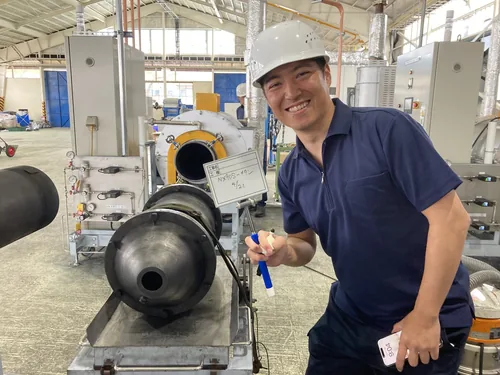
A research and production workshop. A member in a helmet working in front of equipment.

Occasional / Sendai and Gifu

Research & production workshops

Because each site does different work, we sometimes run hands-on sessions to help everyone understand what the others do.
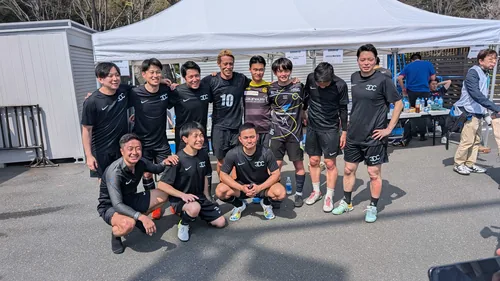
Group photo from the futsal tournament. Participants in kit in front of a tent.

Occasional / around Kanto

Futsal tournament

Through connections between startups, we take part in a futsal tournament, competing with companies from other industries.

38

Careers at 3DC

Open roles and process

  • How the team grew
  • Open roles
  • Hiring process
  • Why join

39

People

From 5 to 45 people in four years

Headcount over time

  1. 5
  2. 10
  3. 20
  4. 30
  5. 45
  1. 2022
  2. 2023
  3. 2024
  4. 2025
  5. 2026

Where our people come from

Chemical manufacturers
60%
Battery & dispersion makers
20%
Universities & institutes
5%
Professional firms
5%
Other
10%

Eighty percent come from the chemical and manufacturing industries and from battery makers. The people building our operations know the work firsthand.

40

Open roles

The positions 3DC is hiring for right now

International sales

Selling to leading battery makers in China, Korea, Europe and the US. Customer samples are already in evaluation; your role is to secure design-in.

Markets: China, Korea, Europe, US

Business development

Lead capital and business alliances, reporting directly to the CEO. Design the shape of the business itself, not just sell the material.

Reporting line: directly to the CEO

Product development

Product development for battery materials and new applications — from template design to grade development, with GMS’s tunability as your instrument.

Location: Sendai / Gifu

Full-stack engineer

A core member building the AI platform for battery and materials R&D, leading the creation of a new product from the front.
Location: Kawasaki

41

Open roles

Two or three interviews, and nothing else

There are no take-home assignments or tests. The final interview is always with the CEO in person.

  1. Apply

    Informal chat is fine

  2. Interviews (1–2)

    Team and hiring lead

  3. Final interview

    Directly with the CEO

  4. Offer

    Aligning on terms

What we weigh

Before skills:
how strongly you align with our
mission, vision and principles.

What we look for

  • Can you judge for yourself which question is worth solving?
  • Are you prepared to take on the world, not only Japan?
  • Can you connect your own growth to the growth of the business?
  • Can you debate openly as equals, regardless of position?

42

Why join

Taking an invention into world-first
mass production — and being there for it.


Most materials startups stop once performance is proven. 3DC already has a plant, runs it continuously, and delivers to leading manufacturers worldwide. Starting from “it is being done” rather than “it should be possible” is rare in this field.


Our customers are the leading battery makers of Japan, Korea, China, Europe and North America. This is work that takes a material born in Japan and competes with the world directly. In a company of 45, the distance between an idea and a decision is almost zero.

43

Get in touch

Let’s create a world first, together.

Careers

Start with an informal chat


Hiring mainly for international sales, business development and product development. Come and talk to us first.

Samples & joint development

To evaluate GMS


Tell us about your application and performance requirements, and we will propose a suitable grade.

44

Appendix

Reference

  • Glossary
  • Contact

45

Glossary

Terms used in this deck

3DC
A startup out of Tohoku University. The name comes from “three-dimensional carbon materials”
Graphene MesoSponge®
A new carbon material invented at Tohoku University. Hollow particles formed from walls one graphene layer thick create an interconnected porous network
Conductive additive
The carbon that links active material particles inside the electrode and creates the path for electrons. Only a few percent of the electrode
Active material
The material that hosts and releases lithium ions. It defines the capacity of the battery
Template method
A method of growing carbon on a template and then removing the template to leave the desired structure
Specific surface area
Surface area per gram. It sets the balance between reaction area and bulk density
Structure
How particles chain together, expressed as oil absorption. It governs dispersibility and electrode density
Rate capability
A battery’s ability to charge and discharge at a given rate. 1C is a full charge in one hour; 200C is equivalent to 18 seconds
LFP
Lithium iron phosphate. A cathode material valued for its cost and safety advantages, gaining share led by China and Korea
Dry electrode
Making electrodes without solvent. No drying step is required, lowering cost and environmental impact
Silicon anode
A high-capacity anode material replacing graphite. Expansion during cycling is the obstacle to practical use
ESS
Energy storage systems for stationary applications. Demand is growing for absorbing the variability of renewable energy

46

Creating a better world through
the synergy of chemistry and physics

© 2026 3DC Inc. All Rights Reserved.

47